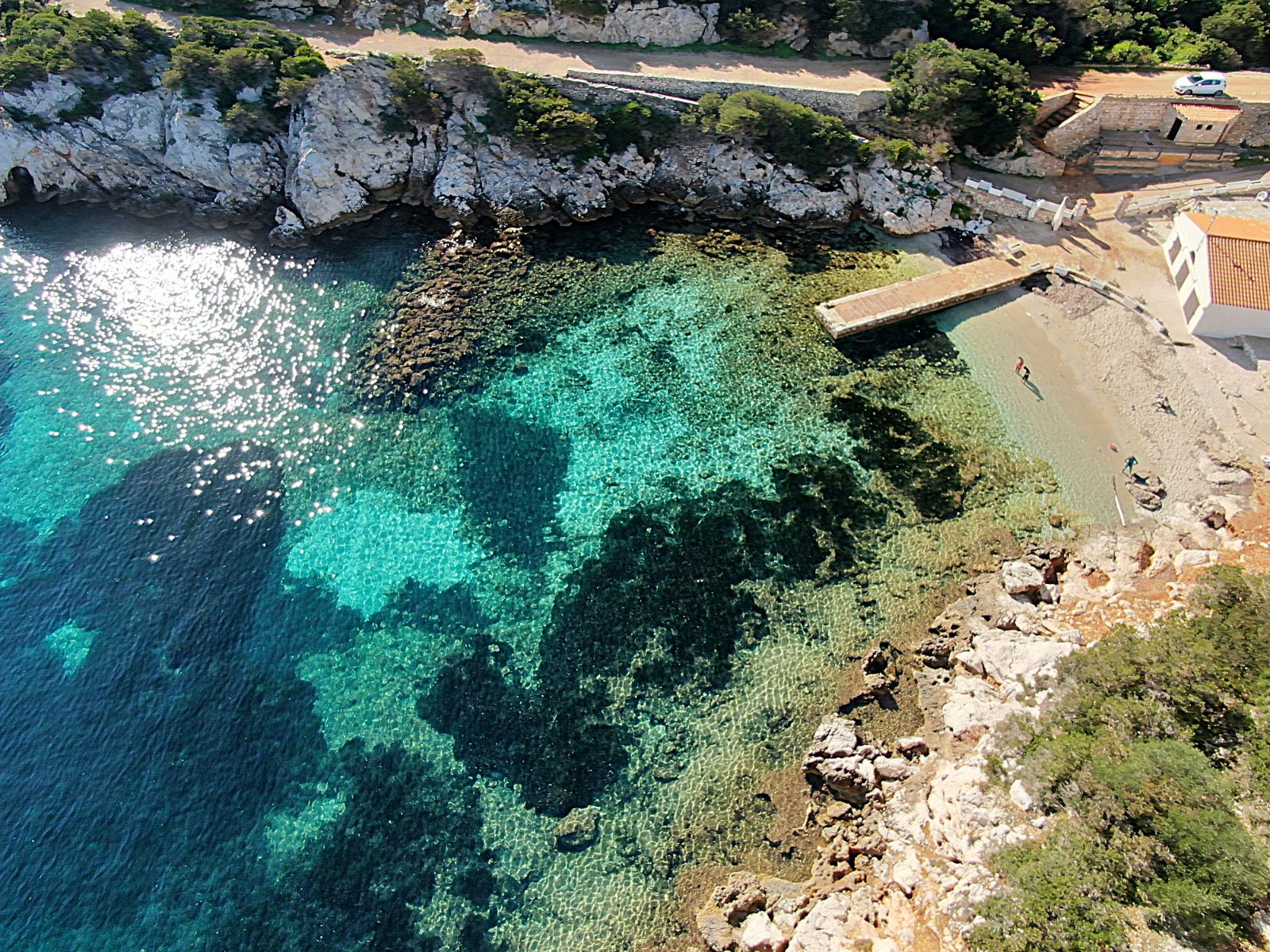
Cala Dragunera
A sheltered bay with clear, calm waters ideal for observing juvenile fish and seabed vegetation.
Stay close to the rocky edges for better visibility.

Porto Conte and the cliffs below Capo Caccia form Alghero's primary snorkeling corridor, a marine protected area where limestone geology meets transparent water. This guide maps the entry points, the underwater features worth the swim, and the logistics that separate clear conditions from wasted trips.
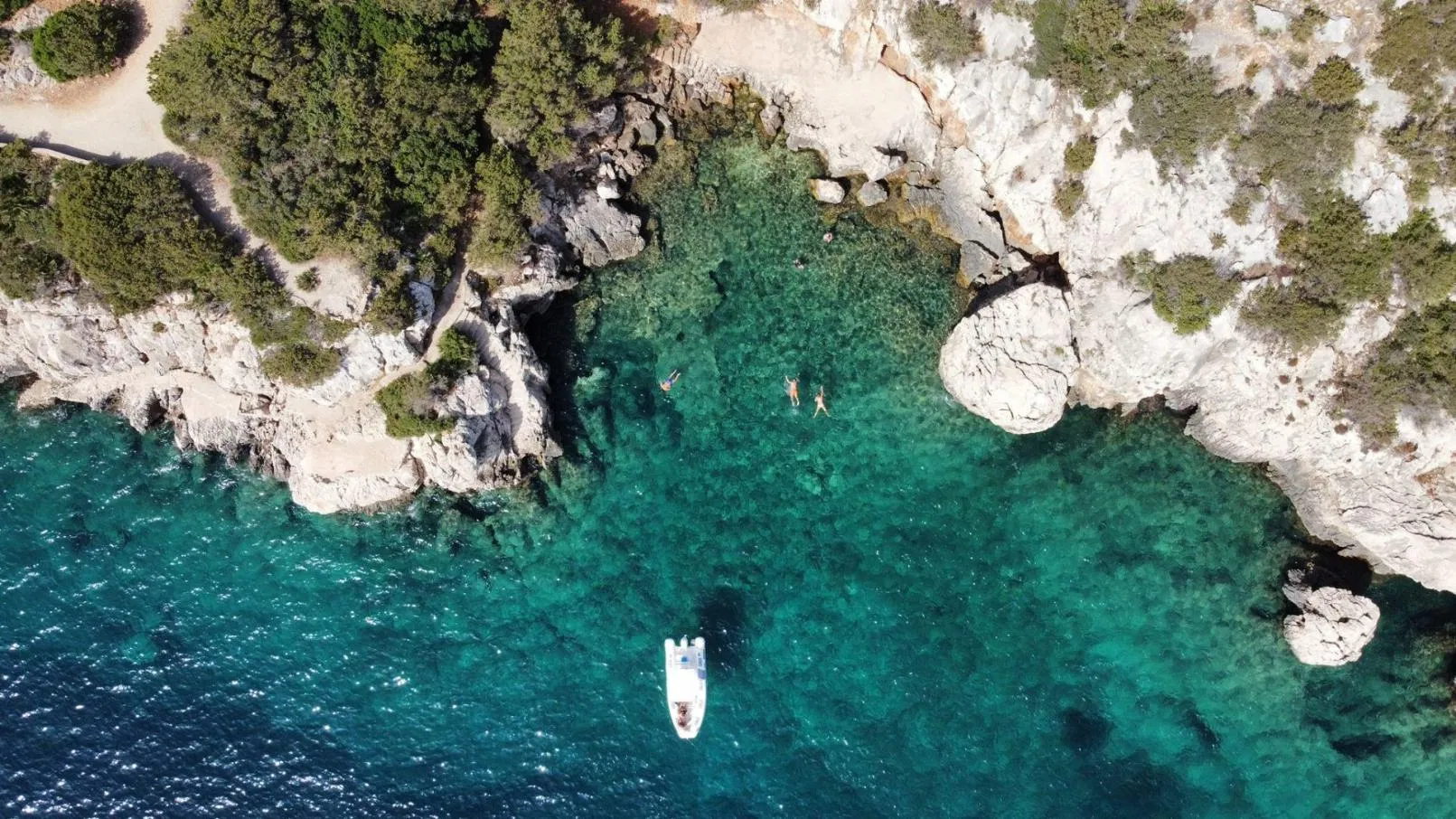
Quick answer
I migliori punti dove fare snorkeling ad Alghero si trovano lungo Porto Conte e sotto le falesie di Capo Caccia, entrambi parte dell'Area Marina Protetta. L'accesso è gratuito dal litorale, mentre le escursioni guidate in barca partono dal porto di Alghero. La finestra ideale per la visibilità è tra le 09:00 e le 11:00, quando la luce solare penetra l'acqua senza la foschia pomeridiana.
Capo Caccia drops 168 meters into the Tyrrhenian, its western face riddled with submerged caves that have made this coast a freediving destination since the 1960s. The protected status, enforced since 2002, restricts motorboat traffic within 200 meters of shore—leaving snorkelers to navigate kelp forests and posidonia meadows without engine noise or fuel slicks. The northern shore of Porto Conte offers the easiest shore entry. Sandy patches alternate with limestone shelves, and the seabed slopes gently to four meters before dropping off. Damselfish and wrasse occupy the shallows; octopus hide in the rock crevices at depth. The water here stays calm even when the mistral blows, thanks to the bay's northwest orientation. Visibility averages 15 meters in summer, occasionally reaching 25 on windless mornings. Reaching the base of Capo Caccia requires either a guided boat departure from Alghero's harbor or the 654-step descent from the clifftop car park—the Escala del Cabirol, cut into the rock face in 1954 to serve the Grotta di Nettuno. Snorkeling from the cave platform grants access to the cliff's submerged wall, where gorgonians and sponges colonize vertical faces that never see direct sunlight. Independent snorkelers entering here must check tide schedules; the platform floods at high water. Marine reserve regulations prohibit anchoring, fishing, and the removal of any biological material, including empty shells. Rangers patrol the zone daily during summer months. The seabed gradient and current patterns shift across the reserve, so first-time visitors benefit from local briefings that address the day's specific sea state. Tour operators licensed by the park authority provide gear, transport, and route recommendations calibrated to experience level—most departures cluster between 09:30 and 10:30 to exploit morning clarity before thermal stratification reduces visibility. Water temperature peaks at 26°C in August and drops to 14°C by February, dictating wetsuit needs. The park remains accessible year-round, but boat schedules contract sharply after October. Dove fare snorkeling ad Alghero depends less on calendar dates than on reading wind forecasts and tide tables—the difference between a two-hour immersion in gin-clear water and a choppy surface swim with three-meter visibility.
“The protected status restricts motorboat traffic within 200 meters of shore, leaving snorkelers to navigate kelp forests and posidonia meadows without engine noise.”
The best arrival window for snorkeling in Porto Conte and Capo Caccia is 09:00–11:00. This period offers optimal lighting for water clarity and allows you to avoid peak afternoon heat and increased maritime traffic.
Warm, 22–25°C water; calm seas
These months balance pleasant water temperatures with manageable boat traffic in the Marine Protected Area.
Hot, 25–27°C water; calmest seas
Expect busier conditions; early arrival is necessary to secure space and visibility before afternoon winds pick up.
—
Visiting midweek during the early hours provides the quietest experience and the clearest visibility for underwater observation.
Mild, 19–21°C water; variable winds
The sea remains warm enough for snorkeling, and the absence of peak-season crowds offers a peaceful experience.
Verdict: For the quietest experience and best visibility, plan your visit for a weekday morning in June or September.
The marine protected area of Capo Caccia and Porto Conte offers diverse underwater topography ranging from shallow rocky basins to vertical limestone cliffs. These zones host Mediterranean biodiversity, including posidonia oceanica meadows and various species of sparidae.
A sheltered bay with clear, calm waters ideal for observing juvenile fish and seabed vegetation.
Stay close to the rocky edges for better visibility.
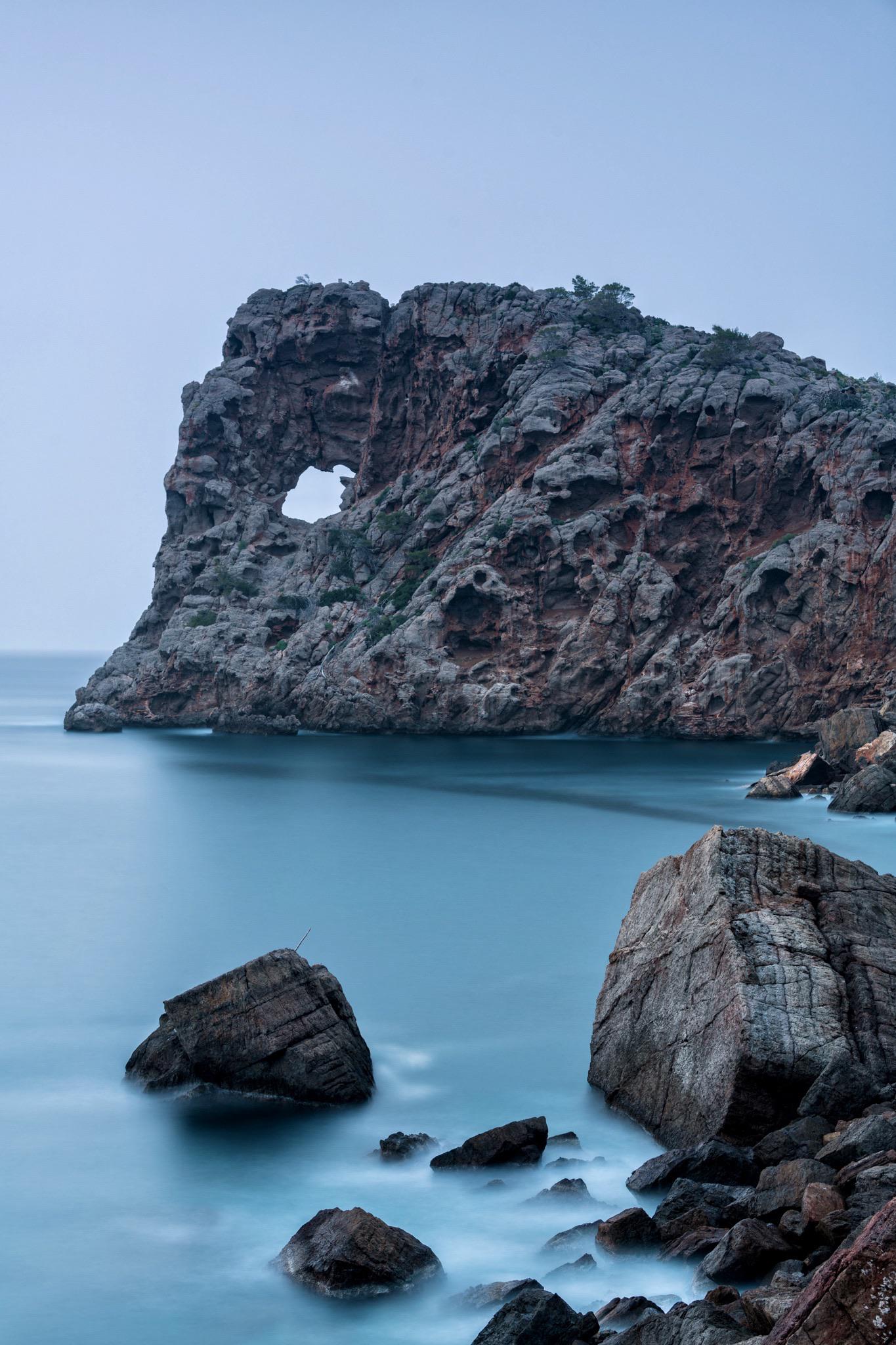
Located near the vertical cliffs, this area features deep blue waters and complex rock formations.
Follow the current along the cliff face for varied marine life.
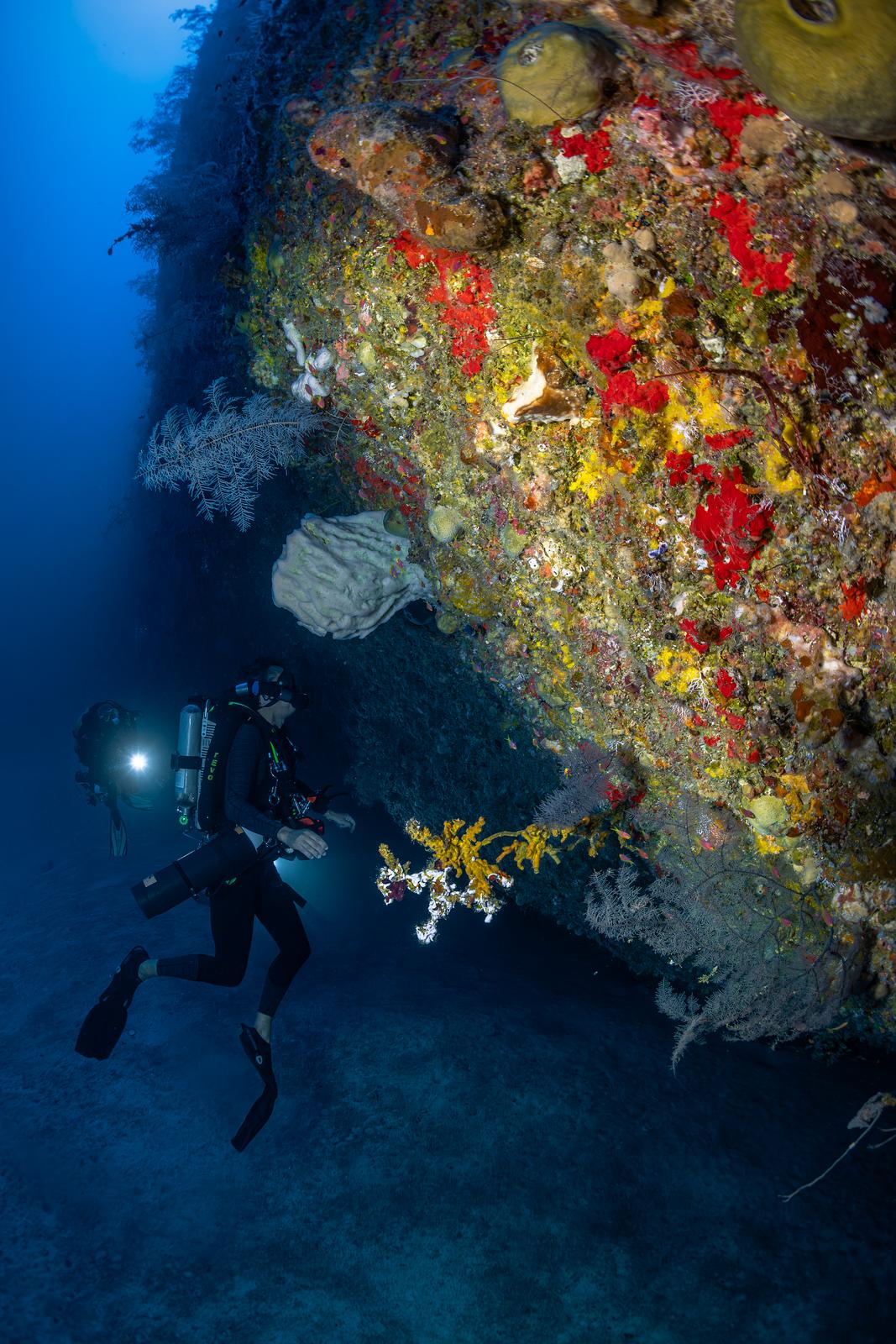
A headland offering diverse depths and frequent sightings of octopus and schooling fish.
Explore the transition zones between sand and rock patches.
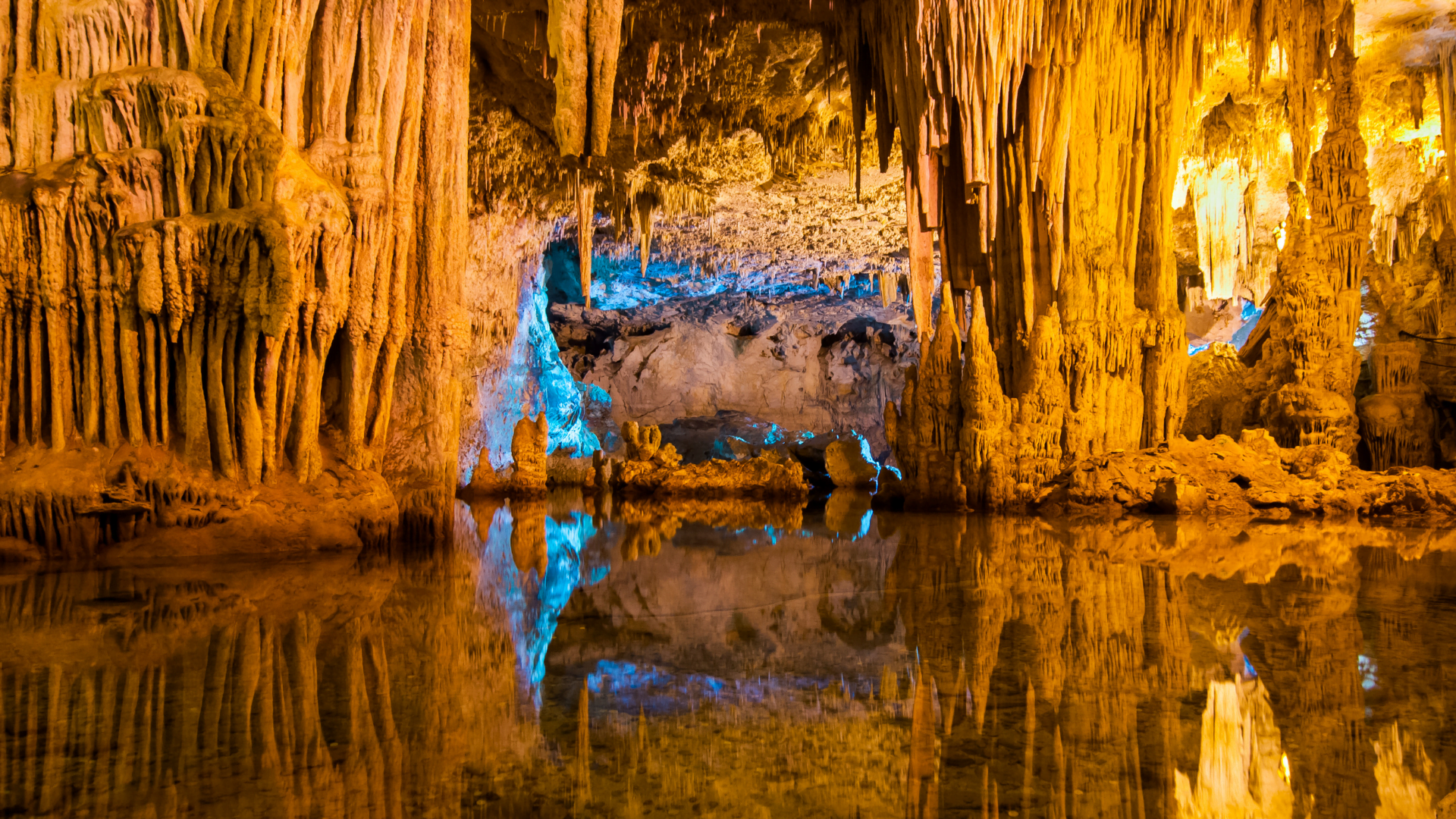
The base of the massive cliff structure provides dramatic underwater views of limestone debris.
Observe the contrast between the white rock and dark sea.
The Capo Caccia and Porto Conte area is located northwest of Alghero. Reaching these snorkeling zones primarily requires private transport, as public options are limited.
SS127 bis toward Capo Caccia
ARST line 9321 from Alghero to Capo Caccia
Private charter or excursion from Alghero port
For land-based access to the cliffside areas, visitors must navigate 654 steps. Parking is available near the entrance at Capo Caccia, 07041 Alghero, Sardinia, Italy.
The access points for snorkeling areas within the Capo Caccia and Porto Conte protected zones follow a consistent daily schedule.
Access to the park area at Capo Caccia and Porto Conte is free of charge for all visitors. Please note that participation in guided snorkeling tours or entry into specific caves within the protected area requires payment of separate activity fees.
Verdict: A typical visitor pays 0 EUR for park entry, with final costs determined by the specific snorkeling tour or cave visit selected.
Porto Conte and Capo Caccia lie within a Marine Protected Area with strict conservation protocols. Compliance with snorkeling regulations protects endemic species and maintains water quality for future visitors.
Everything you need to know about dove fare snorkeling alghero
The protected waters of the Capo Caccia and Porto Conte Marine Protected Area offer the most pristine conditions for those asking dove fare snorkeling alghero. These areas are characterized by limestone cliffs, hidden coves, and diverse Mediterranean marine life.
While you can access the park independently, specialized boat tours are recommended to reach the most vibrant underwater zones safely. Always check local marine regulations before planning an independent excursion to the Capo Caccia landmark.
The best time for dove fare snorkeling alghero is during the early morning arrival window of 09:00–11:00. This period provides optimal lighting for water clarity and helps you comfortably avoid the peak afternoon heat.
Entrance to the park itself is 0 EUR. However, please note that specific snorkeling tours and guided cave visits require separate fees paid to authorized operators.
Access to certain coastal paths involves navigating the 654 steps of the Escala del Cabirol. Visitors should assess their fitness level accordingly, as the climb back up requires physical stamina.
Children can certainly enjoy the crystal-clear Mediterranean waters, provided they have proper safety equipment and adult supervision. Many local operators offer family-friendly itineraries that explore shallow, safe coves ideal for young swimmers.
For your snorkeling excursion, bring sun protection, hydration, and comfortable footwear for the coastal terrain. Since you are exploring a protected marine reserve, consider bringing eco-friendly sunscreen to help preserve the fragile ecosystem.
While basic equipment like a mask and snorkel is sufficient for surface exploration, professional gear is often provided by local guides. Using quality equipment ensures a better experience when observing the diverse biodiversity of this protected coastal area.